- Zhenzhen Zhang

- Sep 8, 2020
- 1 min read

Exploring geographical, curricular, and demographic predictors of nature use by children in urban schoolyards.
Installing nature-rich spaces in schoolyards may not guarantee their use, and research is needed to understand how the physical make-up of schoolyards may interact with teacher and student-related factors to predict use of natural elements in schoolyards. This study surveyed 3rd-6th grade students and to measure children’s awareness and use of nature-rich vs. traditional outdoor spaces as predicted by teachers’ behaviors and education-related training, student demography, and schoolyard physical environment. Results shows that children were less aware of nature-rich spaces (gardens 69%, woodlands 28%) than traditional outdoor spaces (playgrounds 73%, athletic fields 77%) and spent less time there.
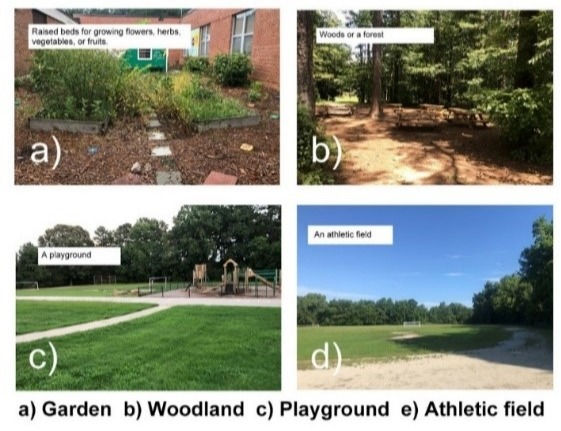
However, teachers taking children outdoors and trained in environmental education positively predicted student awareness and use of nature-rich spaces, highlighting the importance of teacher training in successful green schoolyard efforts. (#greenschoolyard #children #childrenandnature)

